
Brainspotting therapy: a deep healing approach
You’ve done the work. Journaled, talked it through, maybe even years of therapy. So why does the anxiety still show up in your body, tight chest, racing thoughts, that inability to just relax even when nothing’s technically wrong?
The answer often isn’t in your mind, it’s in your nervous system. Brainspotting was developed by Dr. David Grand in 2003 and is now used by thousands of trained clinicians worldwide. Brainspotting therapy is a brain–body approach that helps adults process and heal from emotional pain, trauma, anxiety, and other challenging symptoms. It works by focusing on specific points in your visual field, called “brainspots”, that connect to unprocessed experiences stored in the brain.
What is a Brainspot?
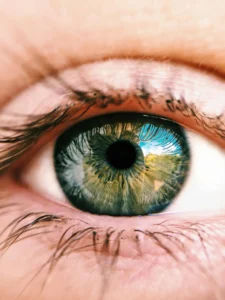
A Brainspot is essentially an eye position that correlates with a particular emotional or traumatic experience. When your eyes focus on a Brainspot, it activates the brain’s natural healing processes. This spot connects to the deeper, unconscious parts of the brain, where unresolved trauma and emotions reside. By locating and focusing on these Brainspots, you can access and release deep-seated emotions that are often difficult to reach through traditional talk therapy.
How does brainspotting work?
When you focus on a Brainspot, it activates a deep healing process within your brain. This process is enhanced by using soothing sounds that alternate between your left and right ears, helping your brain process and release the trauma. This technique is unique because it not only identifies the root of the problem but also helps in treating it simultaneously.
Have any questions? send me a message


Why is it effective?
Brainspotting therapy taps into the body’s natural ability to heal itself by accessing the deeper parts of the brain that are responsible for our survival instincts and emotions. This makes it especially effective for issues that are difficult to reach through traditional talk therapy alone. By addressing trauma at its core, Brainspotting can lead to significant relief from physical and emotional pain.
The role of the therapist
A key element of Brainspotting therapy is the supportive relationship between you and your therapist. The therapist’s presence creates a safe space where you feel heard, accepted, and understood. This nurturing environment is crucial for the healing process, as it allows you to explore and process difficult emotions without feeling overwhelmed.
What can Brainspotting help with?
Brainspotting is versatile and can be used to treat a variety of issues, including anxiety, stress, PTSD, grief, loss and physical pain. It’s also beneficial for those who have experienced trauma, whether from a single event or ongoing life challenges. Working with a Brainspotting-trained therapist helps you uncover and release deep-seated issues holding you back.

Why consider Brainspotting?
If you’ve tried other forms of therapy and still feel stuck, Brainspotting offers a different way forward. It goes beyond traditional talk therapy by accessing the parts of the brain that store trauma, allowing for deeper healing and longer-lasting relief.
I offer Brainspotting therapy online for adults in New York and Florida.
Frequently Asked Questions:
******
Will I have to relive or retell my trauma in Brainspotting?
No. In Brainspotting, you do not have to go into graphic detail or retell your trauma for the therapy to work. During processing, you’re welcome to share as much or as little as feels right for you—some clients process mostly in silence, while others choose to talk through parts of their experience. The focus is on your brain and body’s natural processing, not on forcing you to rehash painful memories
What kinds of issues can Brainspotting help with?
Brainspotting is incredibly versatile. It can support healing from trauma, grief, chronic stress, and even physical symptoms like tension or pain. It’s also helpful for people navigating life transitions, creative blocks, or high-functioning anxiety. If you feel stuck in patterns that don’t make sense logically, Brainspotting can help you move through them in a deeper way.
Can Brainspotting work in online therapy?
Yes, absolutely. As long as you’re in a quiet, private space, Brainspotting works just as well online. I’ll guide you through the process just like I would in person, and everything we need, eye position, body awareness, and connection, translates beautifully over video.
Brainspotting vs emdr: what’s the difference?
Both EMDR and Brainspotting help the brain process trauma, but they work in different ways.
EMDR is structured and therapist-led, using eye movements or tapping to help reprocess specific traumatic memories. It often involves talking through the trauma.
Brainspotting is more intuitive, body-based, and client-led. You focus on a fixed spot in your visual field while staying connected to physical sensations. It’s typically gentler and doesn’t require you to talk about the trauma unless you want to.
If you prefer a slower, gentler approach that honors your pace and helps you stay connected to your body, Brainspotting may be a good fit.
Related Posts
Is brainspotting right for you?